
Skip to the good bit
ToggleIt’s easy to hear “real estate farming” and picture someone out in their yard, planting crops and doing actual farm work.
Honestly, this was exactly the first thing that came to my mind when I was new to real estate. Of course, once I got into the business, I quickly realized there was a whole different meaning and a much more strategic side to it.
Today we’re going to dive deeper into the topic of Real Estate Farming.
What is Real Estate Farming?
In real estate, “farming” doesn’t mean planting crops. Sadly.
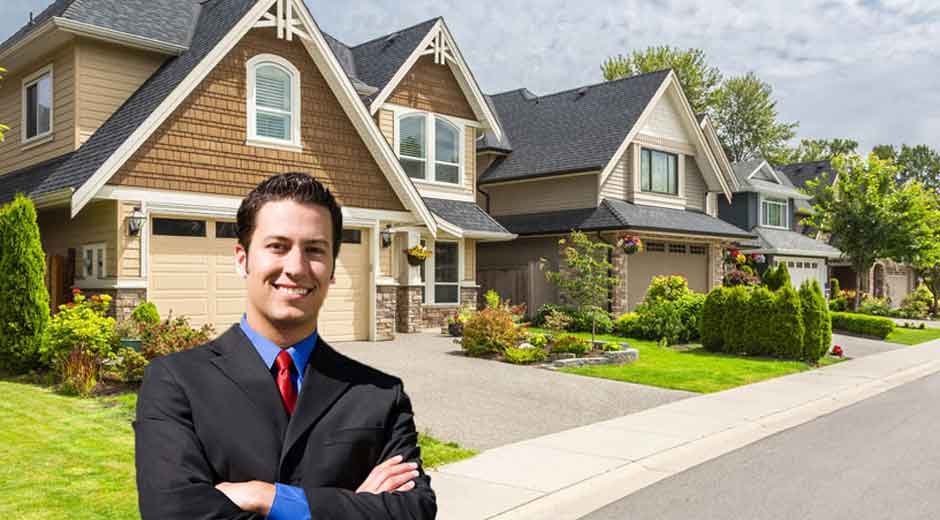
It means focusing your marketing and outreach on a specific neighborhood or area. The goal is to become the go-to agent for homeowners in that area when they decide to sell.
Farming works best when you consistently stay visible and provide real value to the homeowners in your area. That means showing who you are, what you offer, and sharing helpful, relevant information. This can take many forms, from sending postcards, hosting local events, running targeted ads, or simply becoming a familiar face in the community.
Over time, homeowners begin to recognize you as the expert in their neighborhood which increases the chances, they’ll think of you when it’s time to sell.
You’re essentially planting seeds, that may take sometime to grow but eventually will.
Each touchpoint (whether it’s a postcard, an email, or a friendly wave while walking the neighborhood) adds to your presence. The more consistently you “tend your farm,” the more likely you are to acquire listings down the road.
Real Estate Farming Ideas You Can Start Doing Now
1. Send a monthly neighborhood update
Homeowners like to know what’s happening in their area.
Send a short newsletter or postcard with recent sales, price changes, and average days on market. Keep it easy to scan. Include one or two tips for buyers or sellers. The key is consistency, always especially in real estate. People remember you when they see your updates every month.
2.Walk the neighborhood once a week
Visibility matters.
Walking your farm gives homeowners a chance to meet you face-to-face. You don’t need to pitch anything. Just say hello, notice changes in homes, and be a friendly presence. Homeowners are going to start associating you with the neighborhood and real estate knowledge over time.
3. Host a small Q&A at a local park or café
Invite homeowners to a casual meet-up.
Keep it short and simple: 30-45 minutes max. Focus on answering common questions about timelines, pricing, and repairs. Bring printed materials they can take home. This helps you build trust and credibility in a relaxed setting.
4. Use AI to identify and reach out to sellers
DealJoy.AI can help you focus your farming efforts.
It identifies homeowners who may be more likely to sell based on data and trends. Instead of randomly knocking on doors or sending physical mail, you can use AI to do targeted outreach to the right homeowner, saving you time and increasing your leads flow.
5. Door drop a simple “market check” card
Drop a card that reads something like: “Thinking about selling? Here’s what your home might be worth.”
Add a QR code linking to your home valuation page. Keep the message short, clear, and professional. Hand-delivered mail feels personal and keeps you top of mind. The more creative, the more you’re going to stand out.
6. Create a quarterly print guide
A quarterly guide can cover seasonal market trends, pricing updates, or tips for homeowners preparing to sell.
Make it visually appealing and easy to read, even if you have zero graphic design skills, tools like Canva make this simple. Homeowners might not need it right away, but they’ll hang on to it, keeping you top of mind in the neighborhood.
7. Partner with local businesses
Work with nearby businesses to create joint promotions or flyers.
Host real estate events at the local business! You get exposure to a local audience, and the business gets extra customers. It’s a simple way to integrate into the community.
8. Create a local tips guide
Put together a short guide with recommendations for nearby services, restaurants, parks, or schools. Distribute it as a postcard, email, or PDF.Homeowners appreciate practical info, and it positions you as a knowledgeable, helpful presence in the neighborhood without being salesy.
9. Send just-sold or just-listed postcards
Keep homeowners updated on actual transactions in their neighborhood.
Short, direct messages like “Just sold: 123 Main Street for $X” are effective. Seeing real activity nearby reinforces your expertise and keeps you top of mind if homeowners your engaging are considering selling.
10. Run Facebook targeted ads
Facebook ads allow precise targeting.
You can drop a pin on your farm area and choose a tight radius to reach the homeowners you want. Keep your ad simple, focusing on one message like a free home valuation or local market report.
Include a clear call-to-action and a landing page where people can easily submit their info. Over time, these ads keep you visible to homeowners who may not know you yet.
Nurture Your Farm, Grow Your Leads
Farming a neighborhood takes time and consistency but the payoff is really worth it.
You build trust and become the go-to agent when someone is ready to sell by staying visible, providing useful information, and reaching the right homeowners.
Pick a few of these strategies, start small, and stick with them. Your presence in the community will grow and so will your results! Here’s to a bountiful farm!